Most chocolate bars sitting on store shelves have traveled through dozens of hands, and most of those hands had no idea what the finished product would taste like. At Ladwig’s Chocolate, that changes. Every bar starts with a decision: use only the best cacao, treat every farmer fairly, and never cut corners between the farm and the finished bar.
This is a look at how Ladwig’s chocolate gets made, from the farms where the cacao grows to the moment a bar ends up in your hands.
Where the Cacao Comes From
Cacao is grown in tropical regions near the equator, including parts of West Africa, Central America, and South America. The flavor of the final chocolate depends heavily on the soil, climate, and how the beans are handled after harvest.
When you buy from us, you’re connected to that chain. The quality you taste starts from the ground.
From Harvest to Fermentation
After cacao pods are picked by hand, workers split them open to remove the white, pulpy cacao beans inside. The beans are then laid out to ferment, usually for five to seven days.
Fermentation is one of the most important steps in the process. It breaks down the pulp, generates heat, and starts chemical reactions that create the chocolate flavor we all recognize. Under-fermented beans taste flat. Over-fermented beans taste off. Getting it right takes experience and careful timing.
After fermentation, the beans are spread out to dry in the sun. Proper drying reduces moisture and protects the beans from mold during shipping.
Roasting: Where Flavor Gets Developed
Once the dried beans arrive at the production facility, they’re roasted. This step is similar to roasting coffee in that the temperature and time dramatically affect the final flavor.
Light roasts preserve more of the bean’s natural fruit and floral notes. Darker roasts bring out deeper, bolder flavors with more bitterness. At Ladwig’s, roasting decisions are made batch by batch based on the origin and character of the beans.
Skilled chocolatiers like Steven Tyler Ladwig, who has over a decade of experience in the confectionery trade, understand how small changes at this stage ripple all the way through to the finished bar.
Cracking, Winnowing, and Grinding
After roasting, the beans are cracked open to release the inner nibs. The outer shell, called the husk, is removed through a process called winnowing, where air blows the lighter shells away from the heavier nibs.
Those nibs are then ground into a thick paste called chocolate liquor (which contains no alcohol; the name is just traditional). The grinding breaks down the solid particles until the paste becomes smooth.
From here, the liquor can have sugar, milk powder, or additional cocoa butter added depending on whether the final product will be dark, milk, or white chocolate.
Conching: The Step Most People Skip
Conching is one of the most underappreciated steps in chocolate making. The ground chocolate is mixed continuously in a machine called a conche, sometimes for hours or even days.
This process does several things at once:
- It drives off unwanted acidic and bitter compounds
- It develops a smoother, rounder flavor
- It coats every particle in cocoa butter for a silkier texture
Factory-made chocolate often skips long conching times to save money. Small-batch makers like Ladwig’s don’t take that shortcut. The difference shows up in how the chocolate melts on your tongue.
Tempering: The Final Craft Step
Before the chocolate can be poured into molds, it has to be tempered. As explained in our guide on what tempered chocolate is, tempering is the process of heating and cooling chocolate to create stable cocoa butter crystals.
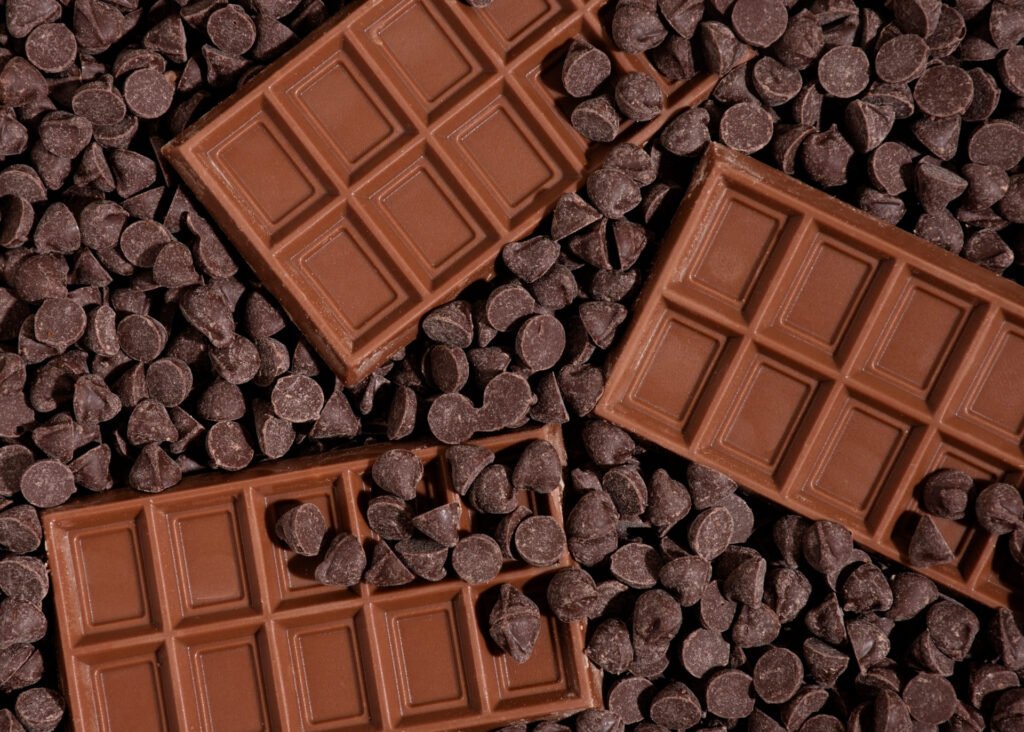
Properly tempered chocolate looks glossy, snaps cleanly when broken, and holds its shape at room temperature without going soft or streaky. Untempered chocolate looks dull and develops a white, chalky coating called bloom.
Every Ladwig’s bar is tempered carefully before it’s molded and finished.
Molding, Setting, and Packaging
Once tempered, the chocolate is poured into molds and left to set. As it cools, it contracts slightly, which is what allows bars to release cleanly from the mold.
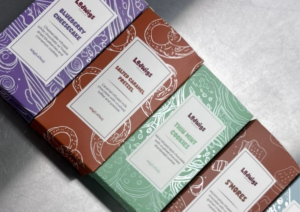
Finished bars are inspected for appearance and consistency, then wrapped and packaged by hand. No anonymous conveyor belts. No mass production shortcuts. Each bar gets the same attention as the first.
Why Small-Batch Matters
Large chocolate manufacturers process thousands of tons of beans per year. At that scale, consistency requires cutting out the steps that take time: long fermentation, careful roasting, extended conching.
Small-batch chocolate making keeps every part of the process in direct human control. If a batch doesn’t meet the standard, it doesn’t go out. That’s not something most commercial brands can say.
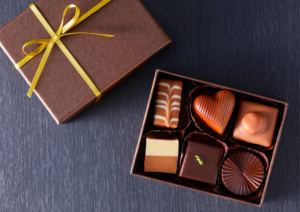
For businesses looking for corporate chocolate gifts or hotel welcome amenities, small-batch quality matters for a different reason: your guests notice the difference. A handcrafted bar with a glossy finish and a clean snap says something about your brand. A waxy, soft mass-market bar says something else.
Steven Tyler Ladwig: The Craftsman Behind the Bars
Steven started making candy at 17 years old. His first handmade taffies sold out fast, and he’s been building on that instinct ever since. His approach has always been to bring new flavors and textures to chocolate, not just replicate what already exists.
Over a decade later, that same curiosity still drives how Ladwig’s develops new bars. Every flavor combination goes through real testing. If it doesn’t surprise and satisfy, it doesn’t make it to the shelf.
You can read more about why ethical and sustainable sourcing shapes every decision he makes, from which farms supply the cacao to how each batch is finished.
Frequently Asked Questions
What does “bean to bar” mean in chocolate making?
Bean to bar means the maker controls the entire process from sourcing raw cacao beans through to the finished chocolate bar. This gives the maker direct control over quality, flavor, and sourcing ethics at every step.
What makes small-batch chocolate different from store-bought?
Small-batch chocolate is made in limited quantities with direct oversight at each step: roasting, conching, tempering, and molding. This allows for better flavor development and consistent quality that large-scale production can’t match.
How long does it take to make a chocolate bar from scratch?
From raw bean to finished bar, the full process can take anywhere from several days to over a week, depending on fermentation time, conching length, and batch size.
Can businesses order custom chocolate bars from Ladwig’s?
Yes. Ladwig’s works with hotels, restaurants, corporate clients, and event planners on custom chocolate gift orders. Contact us at ladwigschocolate.com/contact to get started.
The Difference You Can Taste
Chocolate is one of those things where the process shows up in the product. The care taken at every step, from the sourcing to the roasting to the conching to the tempering, all of it lands in that first bite.
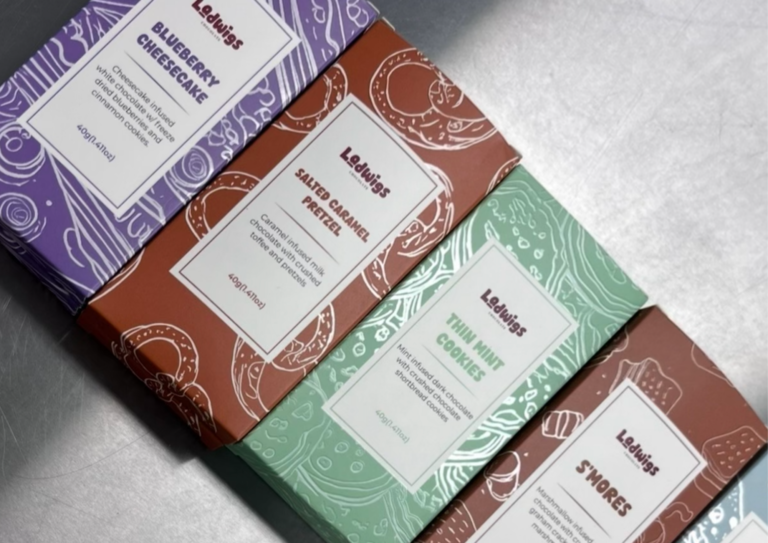
At Ladwig’s, we’re not trying to make the cheapest bar. We’re trying to make the best one. If you’ve never tasted the difference between mass-produced and small-batch craft chocolate, we’d like to show you.
Shop Ladwig’s Chocolate or reach out for wholesale and custom orders.