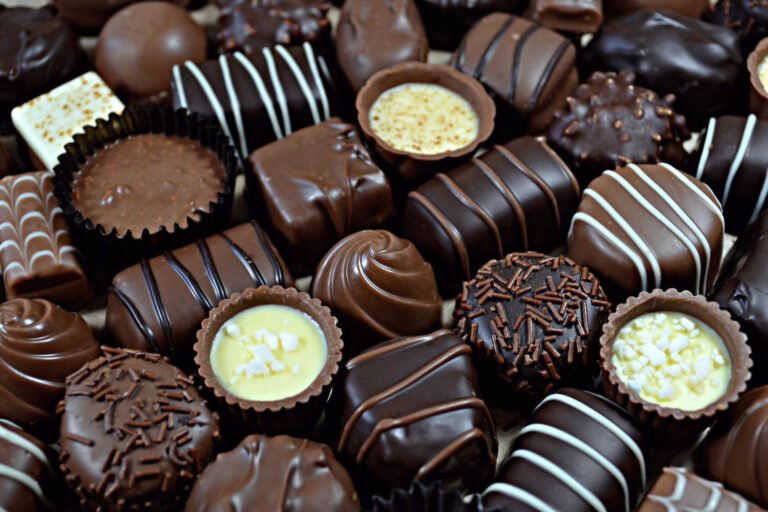

Most people have eaten a lot of chocolate in their lives without ever tasting a truly great chocolate bar. That’s not a knock on anyone’s taste: it’s just a reflection of what fills most store shelves. The majority of commercially available chocolate is engineered to be sweet, consistent, and cheap to produce. That’s a very different goal than making something genuinely good.
This guide is about understanding the difference. What separates a best quality chocolate bar from the ones stacked in checkout lanes? How do you evaluate chocolate without being a trained pastry chef? And why does it matter, especially if you’re buying chocolate to represent your brand or give as a gift?
Walk down the chocolate aisle of any grocery store and you’ll find dozens of options. Most of them taste remarkably similar. That’s not a coincidence.
Large chocolate manufacturers source cacao as a commodity. Price and consistency take priority over flavor. The beans come from wherever is cheapest, go through aggressive roasting that masks origin flavors, and get loaded with sugar, vegetable fat, and artificial vanilla to create a predictable, shelf-stable product.
It works for mass production. But it strips out everything that makes chocolate interesting.
Craft chocolate makers operate from the opposite direction. They source specific beans from specific farms, roast lightly to preserve origin character, and spend more time on each batch to develop flavor rather than cover it up. The result is chocolate that actually tastes like something, where “something” changes depending on where the cacao came from.
You don’t need to be an expert to evaluate chocolate quality. A few simple things tell you most of what you need to know.
Appearance. A quality bar looks glossy and smooth. The surface has a slight sheen that comes from proper tempering. If a bar looks dull, streaky, or has a white coating on the surface (called bloom), the tempering was off or the chocolate was stored poorly. You can learn more about why this matters in our guide on what tempered chocolate is.
The snap. Break a piece of quality dark or milk chocolate and it should snap cleanly with a crisp sound. A bar that bends or crumbles rather than snapping hasn’t been tempered correctly, which usually signals issues elsewhere in the production process.
The melt. Good chocolate melts smoothly and evenly on your tongue, releasing flavor gradually as it goes. Mass-produced chocolate often melts unevenly or leaves a waxy coating in your mouth: that’s usually vegetable fat being used instead of pure cocoa butter.
The flavor. This is the most important part and the hardest to fake. Quality chocolate has layers of flavor that develop as it melts: fruity, earthy, nutty, floral notes that come from the cacao itself. Mass-produced chocolate mostly just tastes sweet. If the sweetness is the only thing you notice, the chocolate isn’t doing much.
The ingredients. Flip the bar over and read the label. A quality chocolate bar has a short ingredient list: cacao, cocoa butter, sugar, and sometimes milk powder or vanilla. If you see vegetable fat (palm oil, coconut oil) listed as a main ingredient, it’s being used to replace or extend the more expensive cocoa butter. That’s a quality shortcut.
One of the most interesting things about quality chocolate is that it tastes like where it came from.
Cacao grown in West Africa (Ghana, Ivory Coast) tends to produce chocolate with rich, deep cocoa flavor and earthy notes. That’s what most people’s brains default to when they think “chocolate.”
Cacao from Ecuador and Peru often carries fruity, floral qualities, sometimes with notes of dried fruit or nuts.
Madagascar cacao is known for bright, almost berry-like acidity that surprises people who are used to flat commercial chocolate.
None of these is better than another: they’re different, and interesting, and worth exploring. The point is that quality chocolate has a character that comes from somewhere. Mass-produced chocolate doesn’t have that because the origin has been processed out of it.
When you’re evaluating chocolate bars, look for ones that tell you where the cacao came from. Single-origin bars, which use cacao from one specific farm or region, show off origin character most clearly. Blends can also be excellent, but they require more skill to make well.
As our bean to bar guide covers in detail, the steps between raw cacao and finished chocolate bar require real decision-making at every stage. Roast temperature and time, conching duration, tempering precision: each one affects the final product.
Large-scale production optimizes these variables for consistency and cost. Small-batch production optimizes them for flavor.
A small-batch chocolatier can adjust roasting decisions based on the specific beans in front of them. They can conch a batch longer if it needs it. They can catch a tempering issue before it affects the whole run. That level of hands-on control is simply not possible at industrial scale.
The result is chocolate that has a character and intentionality you can taste. It’s not just “chocolate flavored.” It’s this chocolate, made this way, from these beans.
When you’re giving chocolate as a gift: whether that’s a corporate client gift, a wedding favor, or a hotel welcome amenity: the quality of what you choose says something about you.
A glossy, well-packaged, genuinely delicious chocolate bar communicates that you picked something good. The recipient notices. They may not consciously analyze the tempering or think about the cacao origin, but they know the difference between something that tastes exceptional and something that tastes like the checkout lane.
For gifting purposes, a few things matter most:
Presentation. The bar should look as good as it tastes. Proper tempering gives quality chocolate a natural visual appeal that doesn’t need to be hidden behind heavy packaging.
Flavor range. Dark chocolate with sea salt is reliably crowd-pleasing. Milk chocolate works for wider audiences. Flavored and seasonal bars add variety for assortments or tasting collections.
Consistency. If you’re ordering in volume, every bar should taste and look the same. That’s a quality control question worth asking your supplier before you commit to a large order.
The best quality chocolate bars are rarely found in grocery store checkout lanes. Here’s where to actually look:
Local craft chocolatiers. A chocolatier who makes their own chocolate from quality ingredients and sells direct is your best bet for freshness, flavor, and knowing exactly what you’re getting.
Specialty food shops. Independent food retailers who curate their inventory tend to carry a higher caliber of chocolate than chain grocery stores.
Direct from the maker. Ordering directly from a chocolate maker, especially for custom or bulk orders, cuts out the middleman and often means fresher product.
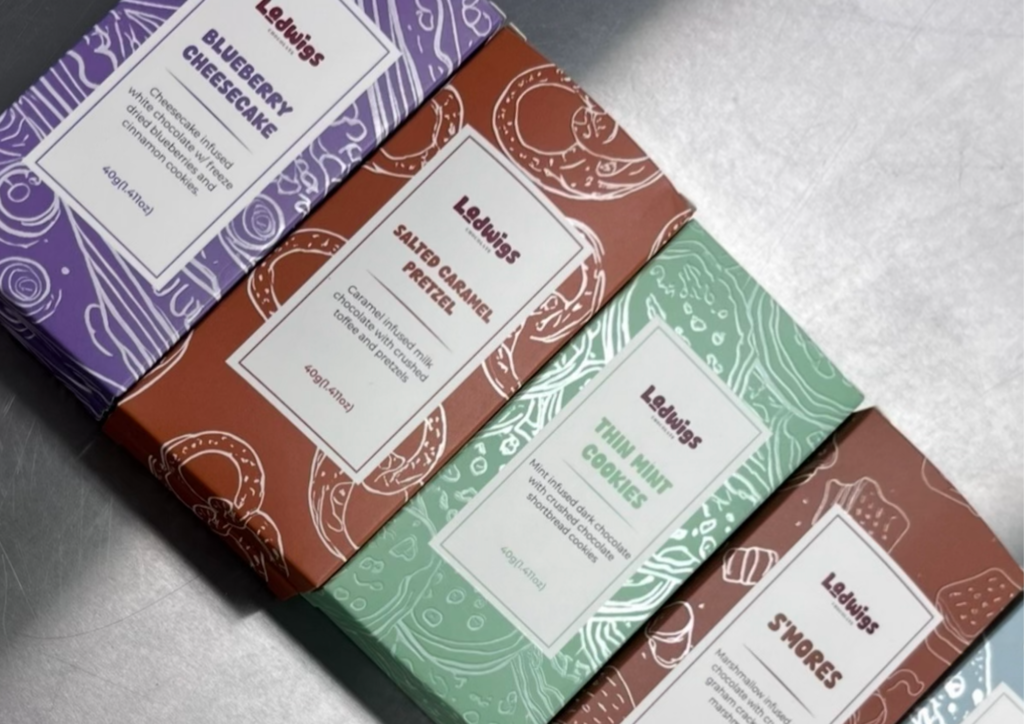
At Ladwig’s, every bar is handcrafted in small batches from quality ingredients. If you want to taste the difference between a best quality chocolate bar and what you’ve been settling for, start here.
A high quality chocolate bar uses quality cacao, pure cocoa butter (not vegetable fat substitutes), and goes through careful roasting, conching, and tempering. It should look glossy, snap cleanly, melt smoothly, and have layered flavor beyond just sweetness.
Craft chocolate is made in small batches with direct attention to sourcing, roasting, and production. Commercial chocolate prioritizes consistency and cost at scale, often using commodity cacao, vegetable fat, and heavy sugar loading to create a predictable product. Craft chocolate tends to have more complex, interesting flavor.
It depends on personal preference. Dark chocolate between 60 and 75 percent cacao offers a balance of intensity and sweetness that works for most people. Above 80 percent is more intense and less sweet, which some people love. Milk chocolate typically ranges from 30 to 45 percent cacao. The percentage matters less than the quality of the cacao used.
A properly tempered chocolate bar looks glossy and smooth, snaps cleanly when broken, and melts evenly on your tongue without leaving a waxy coating. Dull appearance, soft texture at room temperature, or white streaks on the surface indicate tempering issues.
Yes, generally. The price difference between mass-produced and craft chocolate reflects real differences in ingredient quality, production time, and batch size. A quality chocolate bar costs more per ounce, but the experience is substantially better. For gifting, the value of giving something genuinely good far outweighs the marginal cost difference.
Most people haven’t had a truly great chocolate bar. Not because they don’t have good taste, but because they’ve never had the chance to compare. Once you do, it’s hard to go back.
Shop Ladwig’s Chocolate and find out what a best quality chocolate bar actually tastes like. Or reach out if you’re interested in bulk or custom orders.


Order our handcrafted bars today — or partner with us for unforgettable bulk & wholesale chocolate.