


Most people don’t think about where their chocolate comes from. They pick up a bar, enjoy it, and move on. That’s understandable. The supply chain for cacao is long, complicated, and mostly invisible to the person at the end of it.
But what happens at the beginning of that chain matters. It affects the quality of the chocolate you eat, the livelihoods of the farmers who grow the cacao, and the health of the land that produces it. Understanding why ethical and sustainable chocolate matters is the first step toward making better choices as a buyer, whether you’re shopping for yourself or sourcing in volume for a business.
Ethical chocolate starts with how the cacao is grown and who is paid along the way.
Cacao farming is primarily concentrated in a small band of countries near the equator, most notably Ivory Coast and Ghana in West Africa, which together produce over half the world’s cacao supply. Demand for cheap cacao has historically driven prices so low that farmers struggle to make a living wage.
When farmers can’t earn enough from cacao, two things tend to happen:
Ethical chocolate sourcing addresses both problems. Fair-trade certification ensures farmers receive a minimum price for their cacao regardless of market shifts, plus a premium that can be invested in community infrastructure like schools and clean water. It also prohibits child labor and sets standards for safe working conditions.
Sustainability in chocolate refers to how farming practices affect the environment over time.
Cacao trees are naturally forest plants. They grow best under shade, alongside other trees, in biodiverse environments. But high-demand, low-price cacao farming has pushed many growing regions toward monoculture: clearing forests to plant row after row of cacao trees with no shade cover.
Monoculture farming produces faster yields in the short term, but it depletes soil nutrients, reduces biodiversity, increases the need for chemical pesticides and fertilizers, and makes farms more vulnerable to disease. The world’s most common cacao variety, Forastero, is already showing signs of widespread fungal infection in key growing regions.
Sustainable cacao farming takes a different approach:
These practices produce better-tasting cacao over the long run. Cacao grown in biodiverse, healthy soil develops more complex flavors than cacao grown in stripped-out monocultures.
Here’s something the chocolate industry doesn’t talk about enough: ethical sourcing and quality are directly linked.
When farmers are paid fairly, they have the resources and motivation to:
When farmers are underpaid and cutting corners just to stay solvent, quality suffers at every step. The result is flat, bitter, or heavily processed chocolate that needs extra roasting and sugar loading to taste acceptable.
This is why the chocolate you choose matters beyond personal preference. Better sourcing up the chain produces a better product at the end of it. You can learn more about how that plays out in practice in our bean to bar process guide.
If you’re a hotel, restaurant, corporate gift buyer, or event planner purchasing chocolate in volume, the sourcing of what you buy matters for a few reasons.
Your brand is connected to the supply chain you support. Guests and clients who care about sustainability notice whether the products you use align with those values. A chocolate gift from a brand that prioritizes ethical sourcing signals something different than a generic bulk bar from an unnamed mass producer.
The chocolate tastes better. Ethically sourced, well-farmed cacao produces better chocolate. If you’re using chocolate as a hotel welcome gift or a corporate client gift, the quality of what you give reflects on you.
Consumer awareness is growing. More buyers are asking where products come from. Fair-trade and sustainable sourcing is increasingly a purchasing factor for both individual consumers and corporate procurement teams.
Fair-trade certification is issued by third-party organizations. The most recognized are Fairtrade International and Fair Trade USA. To be certified, farms and supply chain partners must meet standards including:
Certification requires regular audits and is not self-reported. This gives buyers a meaningful assurance that the sourcing claims on a product are verified.
When choosing ethically sourced chocolate for personal use or bulk purchasing, look for these recognized certifications:
No certification is perfect, and direct trade relationships sometimes offer even more transparency than formal certification. What matters is that the sourcing is documented, verified, and not just a claim on a wrapper.
For businesses that use chocolate as part of their guest experience or gifting strategy, a few things are worth checking before you commit to a supplier.
Ask whether the chocolate uses certified ingredients. Look for fair-trade or Rainforest Alliance logos on packaging. If a brand can’t tell you where their cacao comes from, that’s a signal worth paying attention to.
Also consider that ethical sourcing tends to correlate with better quality at the finished product level. Craft chocolate makers who prioritize ingredient quality tend to produce bars that look, taste, and feel more premium than mass-market alternatives. That matters when the chocolate represents your brand, whether it’s on a hotel pillow, at a conference seat, or inside a client gift box.
If you’re looking for handcrafted chocolate gifts for your business or event, explore what’s available and ask the right questions about where the chocolate comes from.
Ethical chocolate is made from cacao sourced from farms that pay fair wages, prohibit child labor, and follow safe and legal working conditions. It is typically verified through fair-trade certification from a third-party organization.
Fair-trade chocolate means the cacao was purchased under fair-trade certified terms, including minimum price guarantees for farmers, community development premiums, and standards for labor and environmental practices.
Yes, generally. Cacao grown on healthy, well-maintained farms with proper fermentation and drying processes produces more complex, better-tasting chocolate. Ethical sourcing and quality go hand in hand.
Global demand for cheap chocolate has driven cacao prices low, making it difficult for small farmers to earn a living wage. This has led to cost-cutting on labor, quality, and land management in some regions. Fair-trade certification helps address this by setting price floors and labor standards.
Look for fair-trade or Rainforest Alliance certification logos on the packaging. You can also check whether the brand publishes information about its ingredient suppliers or sourcing standards.
Choosing ethical and sustainable chocolate isn’t just about personal values. It’s about supporting a supply chain that produces better flavor, treats people fairly, and keeps cacao farming viable for the long term.
The next time you’re selecting chocolate for an event, a gift, or everyday enjoyment, it’s worth taking a moment to think about what’s behind the bar.
Shop handcrafted chocolate or explore gifting options for your business or next event.




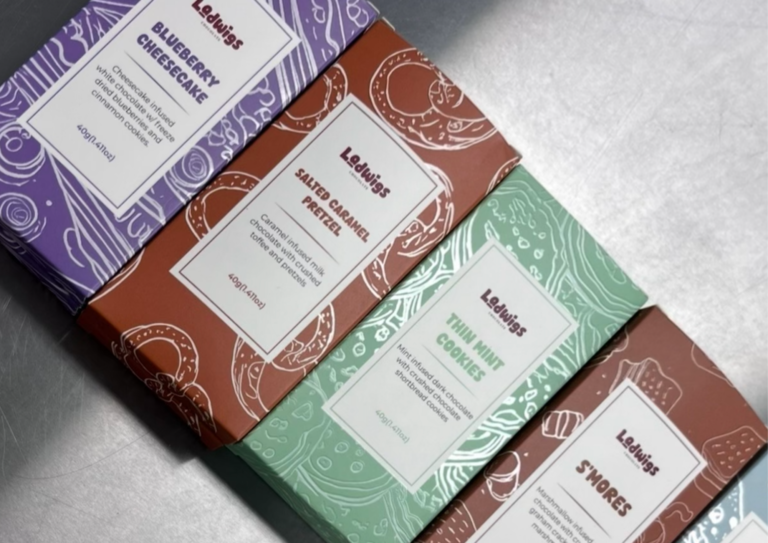

Order our handcrafted bars today — or partner with us for unforgettable bulk & wholesale chocolate.